Source Baby Suit Options for Daily Wear, Events, and Photos
Explore 30 listings for baby suit styles including wool cardigans, bamboo fiber sets, and cotton rompers. Compare features like notch lapels, solid patterns, and OEM customization options to find suitable garments for infants and toddlers; compare the available evidence and request quotations based on your requirements.
Key considerations
Products List


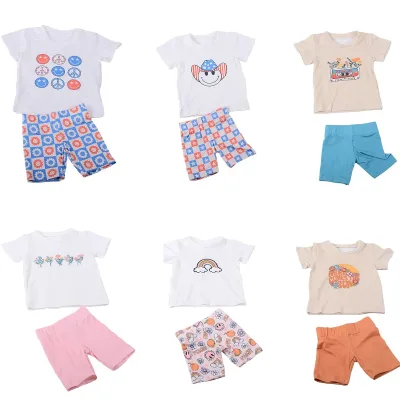


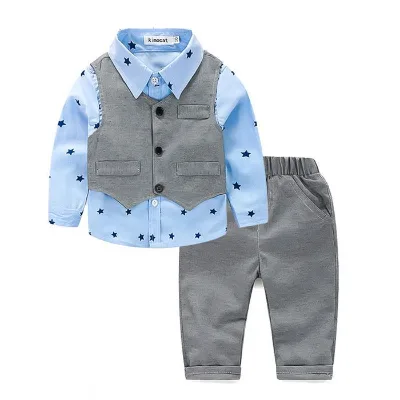
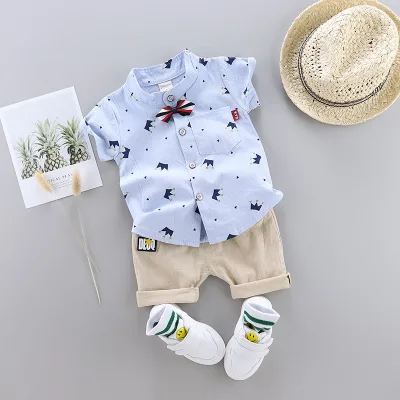
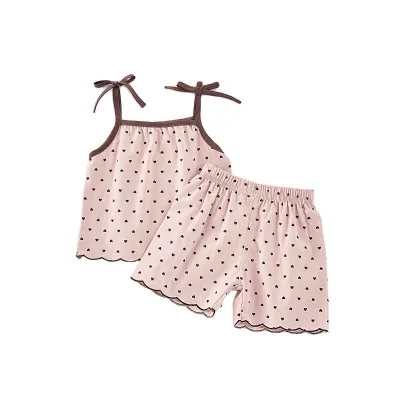
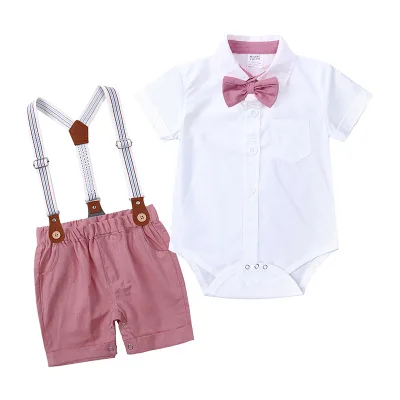
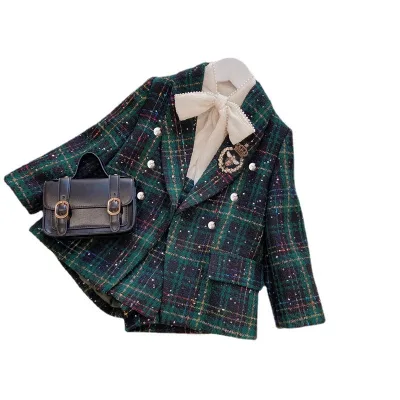
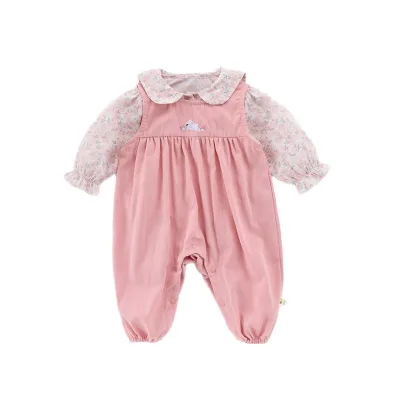


Comprehensive Sourcing Guide
Baby Suit Sourcing Guide
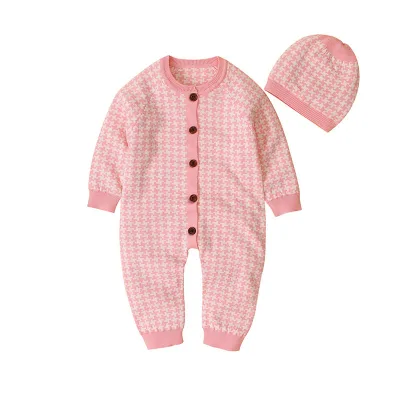
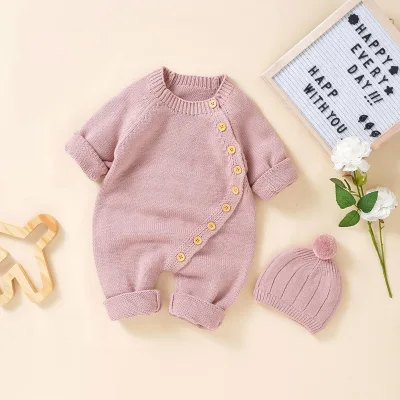
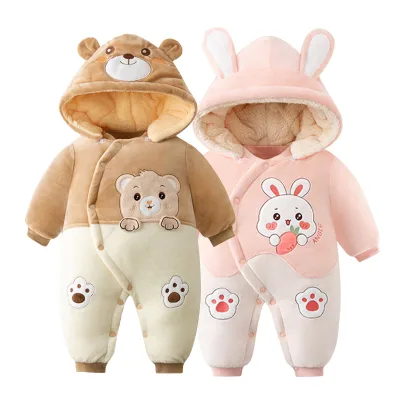
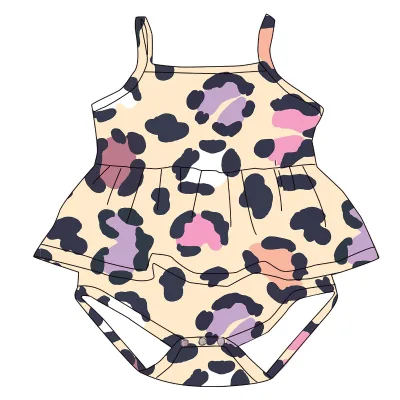
The baby suit market presents a diverse range of options, from formal one-piece wool cardigans to casual summer bamboo fiber sets. Buyers must distinguish between specialized items like the Children's Suit-025Y, which features a notch lapel and logo customization, and versatile rompers designed for infants aged 0-9 months. Understanding these distinct product categories is essential before initiating any procurement strategy, as the intended use dictates the necessary material properties and construction standards.
Sourcing decisions should also account for the specific age groups and gender requirements observed in current listings. While some suits target boys aged 10-24 months with solid patterns, others are designed as unisex sets for children up to six years old. Procurement teams must verify if the supplier offers the specific style, such as the Brit-style pajamas or long-sleeve cotton suits, to ensure the final product aligns with the target demographic and seasonal needs of the retail channel.
Product Scope and Observed Listing Signals
Current market listings indicate a wide variance in material composition, ranging from premium 100% wool to sustainable 100% bamboo fiber and standard cotton blends. Buyers should expect to find products with specific attributes like crew neck collars, notch lapels, or long sleeve designs depending on the season. The presence of items labeled as "One-Piece" or "Two-Piece Sets" suggests that the supply chain supports both all-in-one solutions and coordinated separates, requiring careful selection based on the desired product complexity.
Listing signals also reveal significant flexibility in customization and branding, with many suppliers accepting OEM and ODM requests for labels and logos. The observed data shows that products can be customized with specific patterns, including plaid or solid designs, and packed individually in polybags or OPP bags. However, buyers must note that while some items are available as in-stock goods, others may require specific production runs, necessitating a clear distinction between immediate availability and made-to-order inventory.
Technical Specifications to Verify
Technical verification must begin with precise size and fit specifications, as the observed data includes "Free Size" options alongside specific age ranges like 0-6 years or 10-24 months. Buyers should confirm whether the garment is designed for a specific gender or is truly unisex, as this impacts the sizing charts and pattern grading used by the manufacturer. Ensuring the correct sleeve style, whether short or long, is critical for meeting seasonal requirements and ensuring the comfort of the infant wearer.
Material composition and construction details are equally vital for technical validation, particularly regarding the fabric name and fiber content. Procurement teams must verify if the product is made from 100% cotton, wool, or bamboo fiber, as these materials dictate care instructions and durability. Additionally, checking for specific features like buttons, collar styles, and the presence of a label that accepts custom branding ensures the final product meets the functional and aesthetic requirements of the brand.
Compliance and Safety Documentation
While specific certification statuses like GOTS or OEKO-TEX are mentioned in background contexts, buyers must explicitly request and verify current compliance documentation for every batch. The absence of guaranteed certification in the provided facts means that relying on general claims is insufficient; instead, procurement teams should demand third-party test reports confirming the safety of the materials used, especially for items intended for infants and young children.
Safety documentation should also cover the manufacturing standards and origin verification, as the observed products originate from China with customized standards. Buyers need to ensure that the supplier adheres to international safety regulations regarding flammability, chemical restrictions, and physical hazards like small parts or choking risks. Verifying that the production process aligns with the stated "customized" standards is essential to mitigate liability and ensure the product is safe for its intended age group.
Cost Drivers and Commercial Terms
Commercial terms are heavily influenced by the Minimum Order Quantity (MOQ), which varies significantly across the observed listings from 200 pieces to 10,000 units. Buyers must align their order volume with the supplier's capacity, as high MOQs may be required for customized wool suits, while lower thresholds might apply to standard cotton rompers. Understanding these thresholds is crucial for budgeting and determining the feasibility of launching a new product line without excessive inventory risk.
Pricing and payment structures are further driven by the level of customization and the complexity of the supply chain. Items requiring specific logo printing, custom labels, or unique fabric blends like bamboo fiber often command different price points compared to in-stock solid-color items. Additionally, the type of transportation, whether by express, air, or sea, will impact the final landed cost, requiring buyers to calculate total expenses including logistics when negotiating the final commercial agreement.
Supplier Qualification and Quality Control
Supplier qualification should focus on their ability to handle both OEM and ODM services while maintaining consistent quality across different product types. Buyers must assess whether the supplier can manage the full spectrum of observed attributes, from the detailed construction of a notch lapel suit to the simple assembly of a summer romper. The ability to provide samples that match the described specifications, such as the correct fabric weight and color accuracy, is a primary indicator of supplier reliability.
Quality control protocols must be established to verify that the final product matches the agreed-upon specifications before shipment. This includes checking the packing method, ensuring each piece is correctly bagged, and verifying that the label and branding are applied accurately. Regular inspections during production and pre-shipment checks are necessary to confirm that the product meets the required standards for material composition, stitching quality, and overall finish.
Long-Term Procurement Checks
Long-term procurement success depends on maintaining a stable supply chain that can adapt to changing seasonal demands and product trends. Buyers should establish a relationship with suppliers who can consistently deliver the specific styles and materials observed, such as the transition from spring/autumn sets to summer bamboo fiber options. Building a partnership that allows for flexible order adjustments ensures that the brand can respond quickly to market shifts without compromising on quality or delivery timelines.
Continuous monitoring of supplier performance is essential to ensure that the agreed-upon standards and commercial terms are consistently met over time. This involves tracking lead times, verifying that the "customized" standards remain consistent across batches, and ensuring that the supplier maintains their capacity to handle the required order volumes. Regular reviews of the supply chain will help identify potential risks early and allow for proactive adjustments to the procurement strategy.
FAQs
What materials are used for baby suits?
The available baby suits are crafted from 100% wool, 100% bamboo fiber, and 100% cotton. These materials ensure comfort and breathability for infants. Buyers can select the fabric type that best suits their specific seasonal needs or skin sensitivity requirements while maintaining high quality standards.
Can I customize the logo on baby suits?
Yes, customization is available for baby suits. Buyers can request OEM or ODM services, including custom labels and logos. The supplier accepts personalized branding requests, allowing businesses to create unique products that align with their specific brand identity and market positioning strategies effectively.
What is the minimum order quantity for baby suits?
The minimum order quantity varies by product type. Some items require an MOQ of 10,000 pieces, while others have a lower threshold of 200 pieces. Buyers should check the specific product model details to determine the exact MOQ applicable to their desired order volume and budget.
Are baby suits available in unisex options?
Yes, unisex baby suits are available for both boys and girls. These items are designed to be gender-neutral, offering versatile styling options. The collection includes various styles such as cardigans, rompers, and hoodies, ensuring that buyers can find suitable options for all infants regardless of gender.
How are baby suits packaged for shipping?
Baby suits are typically packed individually in polybags or OPP bags. Some items may feature customized packaging designs to meet specific buyer requirements. This packaging method ensures product protection during transit and allows for efficient storage and handling by retailers and distributors upon arrival at their facilities.
What sizes are available for baby suits?
Baby suits are available in various sizes to accommodate different age groups. Options include sizes for infants aged 0-9 months, 10-24 months, and children up to 6 years old. Some items are listed as free size, providing flexibility for buyers seeking versatile sizing solutions.